

By Bridgewater Engineers LLC – Structural Inspection & Consulting in Northern VA
Water in Your Basement Isn’t Just Annoying — It’s a Warning Sign
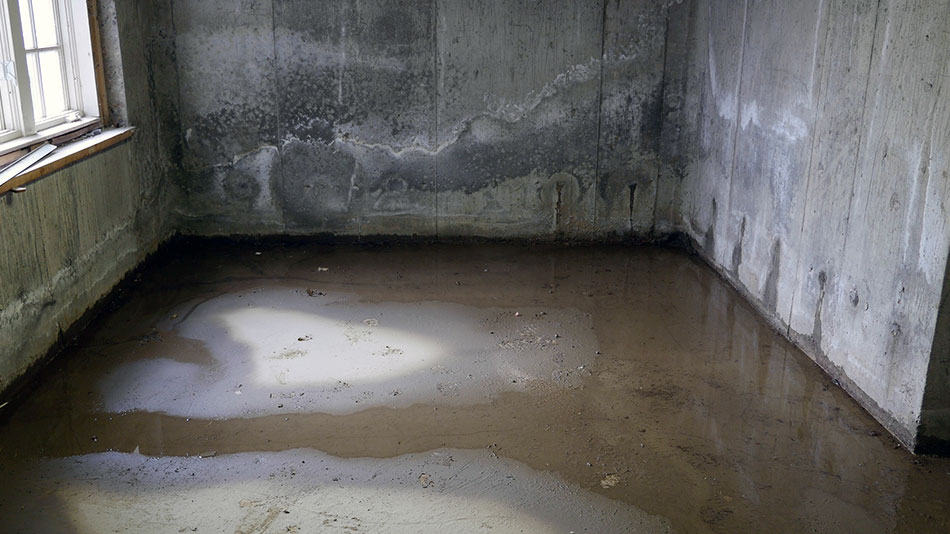
Whether it shows up as damp spots, puddles, or full-on flooding, water in the basement is one of the most common — and most misunderstood — issues homeowners face. It’s also one of the top reasons people call us for structural inspections across Fairfax, Arlington, and the greater DC Metro Area.
If you see water after a storm, you’re not alone. But even occasional dampness can cause hidden damage — and what seems like a drainage issue could turn into a structural one if ignored. Let’s explore why water gets in, what it means, and what to do about it.
Common Signs of Basement Water Problems
- Musty odors or mold growth
- Water stains or efflorescence (white chalky residue) on walls
- Pooled water near the wall-to-floor joint
- Cracks in concrete walls or floors with moisture present
- Warped baseboards, peeling paint, or rusted metal fixtures
These are early signs — and they usually mean water is finding a way in during rain, snowmelt, or groundwater fluctuations. You need to know not just how to clean it up — but how to stop it at the source.
Top 5 Causes of Water Intrusion in Basements
1. Poor Grading or Negative Slope Around the House
Water should always flow away from your home, but over time, soil can settle or landscaping changes can create a slope that sends rainwater directly toward your foundation.
Warning: Just a 2–3 degree slope toward the home can allow hundreds of gallons of water to accumulate during a storm.
Fix: Regrade the soil around the house to slope away at least 6 inches over 10 feet. Avoid flower beds or mulch mounds that trap water against the foundation.
2. Clogged or Inadequate Gutters and Downspouts
Gutters and downspouts are your first line of defense. If they’re full of debris or not long enough, they dump water next to your foundation — the worst possible location.
Fix: Clean your gutters twice a year and extend downspouts at least 6 feet from the foundation. Splash blocks aren’t enough — use solid or flexible pipe extensions or underground drains.
3. Cracks in Foundation Walls or Slabs
Concrete cracks naturally over time due to shrinkage and settlement — but they become a problem when water pressure builds in the surrounding soil. Even a small crack can act like a funnel during heavy rain.
Fix: Small cracks may be sealed with epoxy or urethane injection. For wider or actively leaking cracks, a structural inspection is required to determine if reinforcement is needed.
4. Hydrostatic Pressure from Saturated Soil
When the soil around your basement becomes saturated, water pushes against the foundation with tremendous force. This hydrostatic pressure can:
- Push water through cracks or cold joints
- Cause walls to bow inward
- Force water up through floor slabs
Fix: Install an interior or exterior drain tile system to relieve pressure. In severe cases, a sump pump may be needed to actively remove water before it rises inside.
5. Missing or Failed Exterior Waterproofing
Many older homes were built without modern waterproofing membranes, or with materials that degrade over time. Water can seep through porous concrete walls even without visible cracks.
Fix: Excavation and installation of a modern waterproof membrane is the most effective fix — but interior waterproofing systems can be a practical alternative in many cases.
Are You Dealing With a High Water Table?
In some parts of Northern Virginia and Maryland, the groundwater level can rise significantly after prolonged rain. When that happens, water pushes up from below — not just from the sides.
Homes with shallow footings, poor drainage design, or located near creeks or hillsides are especially vulnerable.
Solution: Combine interior waterproofing with sump pumps and perimeter drains to relieve upward pressure. In extreme cases, a civil or geotechnical engineer may need to evaluate the site conditions.
When Is Basement Water a Structural Concern?
It’s not just about moisture. Long-term water intrusion can affect the structural integrity of your home in several ways:
- Soil erosion under footings, leading to settlement
- Frost heave or cyclic wet-dry expansion of clay soils
- Corrosion of steel reinforcements in concrete walls
- Rot or mold growth in structural wood framing
If your basement wall is bowing, your floors are sloping, or doors and windows are sticking, it’s time for a professional structural assessment.
What We Do at Bridgewater Engineers LLC
We combine engineering analysis with practical, contractor-ready recommendations. During a foundation and water intrusion evaluation, we provide:
- On-site inspection of visible cracks, framing, and drainage
- Assessment of water entry points and soil conditions
- Identification of structural movement (bowing, settlement, etc.)
- Design recommendations or stamped reports for repair if needed
We also coordinate with local waterproofing and drainage contractors when specialized systems are needed — while acting as your independent, unbiased engineering advocate.
Get Peace of Mind Before the Next Storm
If you’ve seen water in your basement — even once — don’t wait. We’ve helped homeowners across Fairfax, Vienna, Arlington, and DC identify the real causes of water problems and get them fixed for good.
Book a Basement Evaluation Today
Call us: (703) 717-3303
Email: bridgewaterengineers@gmail.com