

By Bridgewater Engineers LLC – Structural Engineering & Inspection Services in Northern Virginia
Thinking About Opening Up Your Home? Here’s What It Really Costs.
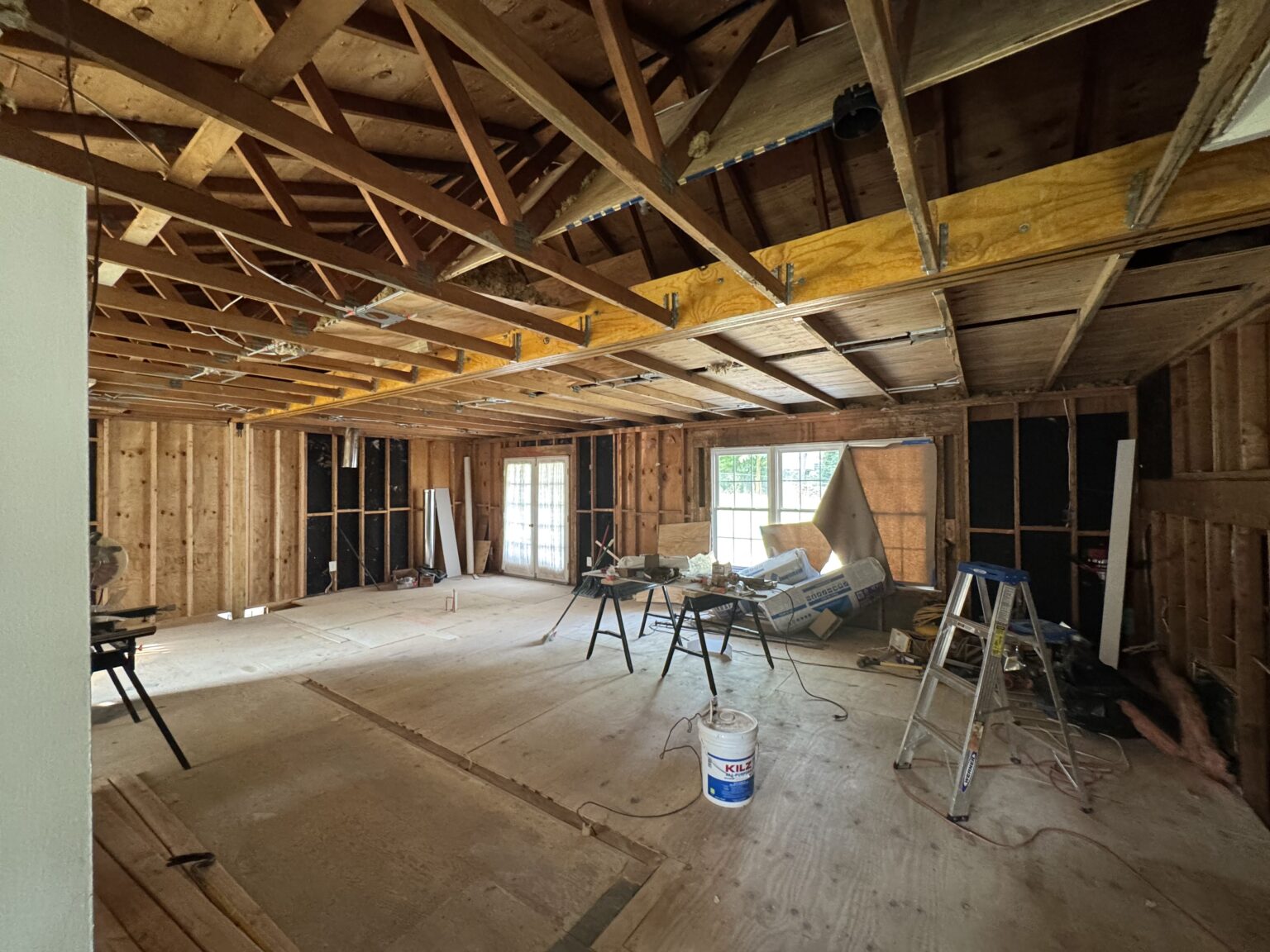
Removing a wall to create an open-concept kitchen or a more connected living space is one of the most popular remodeling projects homeowners take on. But when that wall is load-bearing — meaning it supports the structure of your home — the price tag is much more than just drywall and paint.
This guide breaks down the full cost of removing a structural wall, from structural engineering and permits to beams, labor, and hidden factors most contractors don’t mention upfront.
Whether you’re in Fairfax, Arlington, or elsewhere in the DC Metro Area, this is everything you need to know to budget confidently and avoid expensive surprises.
What Makes a Wall Load-Bearing?
Before talking costs, it’s important to understand what you’re actually modifying. A load-bearing wall supports the structure above it — typically floor joists, roof framing, or another level. Removing it without proper support can lead to structural damage or collapse.
That’s why structural walls must be replaced with an engineered beam and properly transferred down to the foundation, often with columns and footing modifications.
Total Cost Range to Remove a Load-Bearing Wall
Here’s what most homeowners in Northern Virginia can expect to pay:
| Scope | Estimated Cost (Typical Range) |
|---|---|
| Engineering Inspection + Calculations | $650 – $1,200 |
| Stamped Structural Drawings | $300 – $750 |
| Permit Fees (Fairfax, Arlington, etc.) | $100 – $350 |
| Beam + Structural Materials | $400 – $2,500+ |
| Demo + Framing Labor | $1,500 – $5,000+ |
| Drywall, Patching, Paint, Finishes | $600 – $2,000+ |
| Total Project Estimate | $3,500 – $12,000+ |
But this range depends on several important factors — which we’ll break down below.
Cost Factor #1: Wall Length and Span
The longer the wall, the more expensive it is to remove. Why?
- Longer spans require deeper or stronger beams
- Heavier loads increase the beam size (and price)
- Longer spans may need interior posts or upgraded footings
Example: Replacing an 8-foot structural wall with a simple LVL beam is far cheaper than removing a 20-foot wall under a two-story structure.
Cost Factor #2: What’s Above the Wall?
The wall might support:
- Second-floor framing (common in two-story homes)
- Roof rafters or trusses
- Attic storage or HVAC systems
Structural engineers calculate all these loads to determine the correct beam size and support conditions. More load = more cost.
Cost Factor #3: Beam Type and Materials
Your engineer may specify a beam made of:
- LVL (Laminated Veneer Lumber): Affordable and commonly available
- Steel I-beam: Stronger for long spans, but heavier and requires custom fabrication
- Flitch Beam: Hybrid of wood and steel for easier installation in tight spaces
Steel beams cost more upfront and require special labor or crane access. But in open-concept designs spanning 16 feet or more, they may be necessary.
Cost Factor #4: Column and Footing Work
Supporting the beam often requires vertical posts or columns at each end. But those loads must be transferred to the foundation — not just into existing floor joists.
This may involve:
- Adding new footings
- Widening or reinforcing existing support beams
- Opening the basement ceiling or crawlspace
Foundation work is one of the biggest hidden costs — and the reason proper engineering matters.
Cost Factor #5: Utilities Inside the Wall
If the wall contains:
- Electrical wiring
- Plumbing pipes
- HVAC ducts or returns
These must be rerouted — and may require electricians, plumbers, or HVAC technicians. This can add several hundred to several thousand dollars, depending on complexity.
Cost Factor #6: Permits and Inspections
In Fairfax, Arlington, Alexandria, and most Northern Virginia counties, removing a load-bearing wall requires:
- A stamped structural drawing by a licensed engineer
- A Residential Building Permit
- Framing inspections before drywall goes back up
Permit fees vary by locality and project value, but they’re usually $100–$350. Unpermitted work can lead to fines, stop work orders, or problems when selling your home.
Cost Factor #7: Patching and Finishing
Don’t forget the finishing work:
- Drywall repair or new drywall where the wall was removed
- Blending or refinishing flooring
- Painting, trim, electrical outlet relocation
Finishes can represent 15–30% of your total project cost. If you’re matching hardwood flooring or custom crown molding, plan for additional labor and materials.
Real Case Studies from Northern Virginia
Project A: 12-Foot Wall, First Floor, Fairfax
- LVL beam replacement
- Load from second floor and roof
- Two steel posts on pad footings
- Electrical rerouting only
- Total Cost: $7,200 (including engineering, materials, and finish)
Project B: 18-Foot Wall, Arlington Cape Cod Home
- Steel beam needed to span full opening
- Roof rafters tied directly to wall
- Utilities and HVAC ducts relocated
- Permit plan set and inspections
- Total Cost: $11,600
How to Save on Wall Removal Costs (Without Cutting Corners)
- Use an experienced structural engineer to avoid oversizing the beam
- Choose LVLs where possible (instead of steel)
- Bundle the job with other renovation work to save on labor mobilization
- Get drawings done before hiring contractors to avoid change orders
Why Structural Engineering Pays for Itself
Hiring a structural engineer upfront helps you:
- Get accurate beam sizing and layout
- Prevent overdesign (saving on materials)
- Ensure compliance with local building codes
- Protect your investment from future problems
We often hear from homeowners who removed a wall “without plans” — only to discover sagging ceilings, uneven floors, or denied insurance claims later. Don’t risk it.
Get a Quote for Your Wall Removal Project
At Bridgewater Engineers LLC, we work with homeowners, contractors, and architects to safely and affordably remove load-bearing walls in homes throughout Northern Virginia.
Book a Site Visit or Request a Quote
Call us at (703) 717-3303
Email: bridgewaterengineers@gmail.com