

Serving Northern Virginia, Maryland, and Washington DC
Not All Cracks Are Equal — Here’s How to Tell the Difference
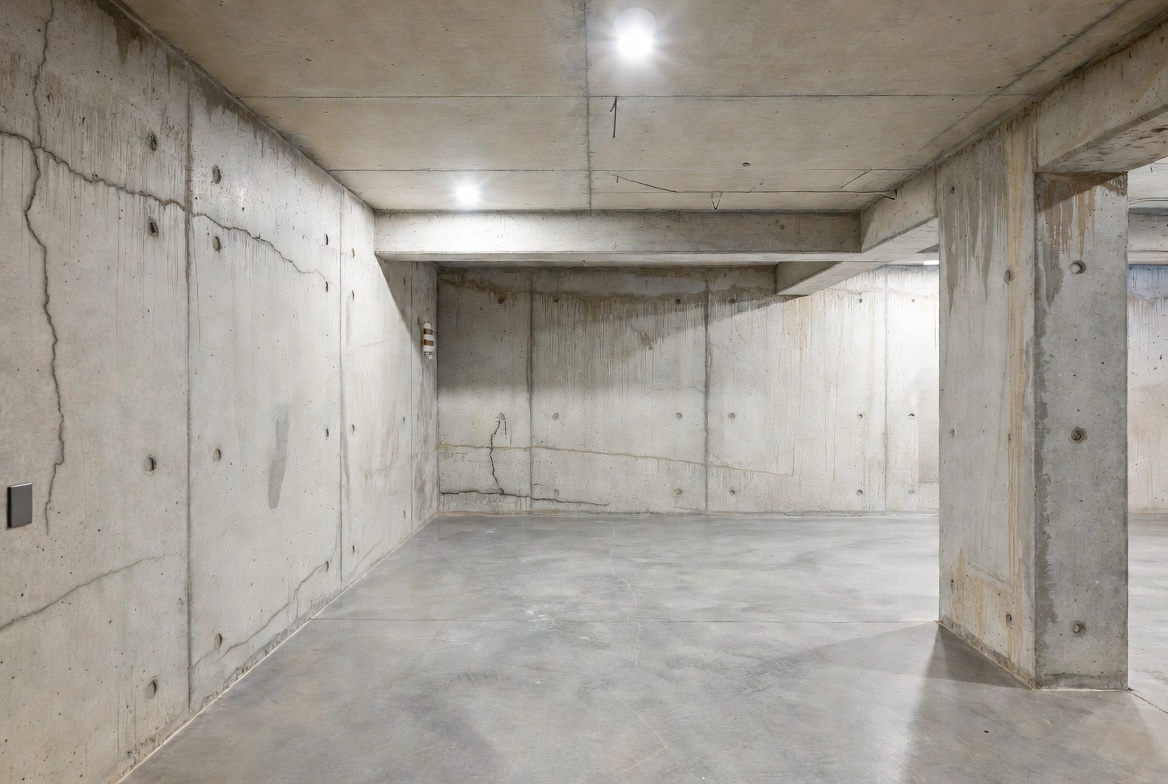
A crack in your foundation can spark anxiety — and for good reason. Foundation problems can compromise the safety, value, and livability of your home. But the truth is, not all cracks are serious, and some are perfectly normal.
So how do you know when to worry — and when to just keep an eye on it?
Let’s break it down, from a structural engineer’s point of view.
1. Hairline Cracks: Often Normal, Especially in Newer Homes
- What it looks like: Thin cracks, less than 1/16″ wide, usually vertical
- Where it appears: In poured concrete walls, near windows or corners
- What it means: Likely caused by concrete shrinkage during curing
- Action: Monitor, take photos, and check for widening
2. Vertical Cracks: Usually Low Risk (But Not Always)
- What it looks like: A straight up-and-down crack, often from top to bottom
- What it means: May result from minor settlement
- Exceptions: If it’s wide, shifting, or leaking water — it needs evaluation
3. Diagonal Cracks: Signs of Uneven Settlement
- What it looks like: Cracks sloping at 30–45 degrees, often from corners of doors or windows
- What it means: Differential settlement — parts of the foundation moving unevenly
- Action: Should be inspected, especially if doors/windows stick or the crack widens
4. Horizontal Cracks: Take These Seriously
- What it looks like: Long, horizontal line across a wall, especially in block foundations
- What it means: Lateral pressure from soil or water buildup may be bowing the wall inward
- Action: Call a structural engineer as soon as possible. These can lead to collapse if left untreated
5. Cracks with Water Leakage: Structural Plus Drainage Risk
- What it looks like: Any crack where water seeps during or after rain
- What it means: Water intrusion can cause mold, wood rot, and soil erosion under the footing
- Action: Combine structural assessment with a drainage correction plan
How Wide Is Too Wide?
| Crack Width | Significance | Action |
|---|---|---|
| Less than 1/16 inch (hairline) | Usually normal | Monitor and document |
| 1/16 to 1/4 inch | May indicate minor movement | Get an inspection |
| Greater than 1/4 inch | Likely structural | Schedule an engineer visit |
What a Structural Engineer Looks For
At Bridgewater Engineers LLC, we evaluate:
- Location, pattern, and size of cracks
- Evidence of settlement or soil movement
- Drainage conditions around the home
- Framing response (e.g., sticking doors, sloped floors)
- Signs of ongoing movement
We combine our visual inspection with structural expertise — so you’re not just guessing.
Serving Homeowners Across Fairfax, Arlington, Alexandria, and the DC Area
If you’re seeing cracks in your foundation — don’t panic, and don’t guess.
Book a Site Visit Today
Or call us directly: (703) 717-3303
bridgewaterengineers@gmail.com