

About Us

Engineering
with purpose.

A licensed structural engineering firm founded on one principle — clear, practical engineering that helps people build with confidence.
10+Years Experience
200+Projects Completed
500k+Sq Ft Designed
5.0 ★Google Rating

Our Story

Built on trust,
driven by results.

Bridgewater Engineers was established to fill a real gap in the DMV market — a structural engineering firm that genuinely listens, explains clearly, and delivers practical solutions without unnecessary complexity or cost.
From our first foundation inspection to our most complex design projects, we’ve stayed committed to the same principles — honest assessments, actionable recommendations, and plans that actually get built.
“We didn’t start this firm to impress other engineers. We started it to help people build with confidence.”
Today, Bridgewater serves hundreds of clients annually across Northern Virginia, Maryland, and Washington DC — from first-time homeowners to established contractors who rely on us as their trusted engineering partner.

By the Numbers

What ten years of
practice looks like.

Structural inspections completed 150+
Stamped plan sets delivered 80+
States licensed 3
Average turnaround (stamped plans) 5–7 days
Google rating 5.0 ★

Virginia

Licensed Professional Engineer

Active · Residential & Commercial

Washington DC

Licensed Professional Engineer

Active · Residential & Commercial

Maryland

Licensed Professional Engineer

Active · Residential & Commercial

What We Stand For

Our core values.

01

Clarity Over Complexity

We translate engineering into plain language. You’ll always know what we found, what it means, and what to do next — no jargon, no guesswork.
02

Practical Solutions

We design what can actually be built. Our solutions are code-compliant, cost-effective, and field-tested — not over-engineered for the sake of it.
03

Honest Assessments

We tell you the truth — even when it’s not what you hoped to hear. Our clients trust us because we never have a financial stake in what we recommend.

Our Approach

Engineering that
actually gets built.

Every project at Bridgewater starts with listening. We take the time to understand your constraints, your timeline, and your goals before putting pen to paper.
Our reports are written for contractors and homeowners — not just other engineers. And our stamped plans are designed to pass permit review the first time, every time.
Licensed in Virginia, DC, and Maryland, we’re the engineering partner you call once and keep calling.

Ready to work with engineers you can actually trust?

Bridgewater Engineers

Licensed professional engineers providing structural inspections, remediation guidance, and architectural design across Virginia, DC, and Maryland.

© 2025 Bridgewater Engineers. All rights reserved.  ·  Terms & Conditions  ·  Privacy Policy

Foundation Cracks: Which Ones Are Serious and Which Ones Aren’t?

Not All Cracks Are Equal — Here’s How to Tell the Difference

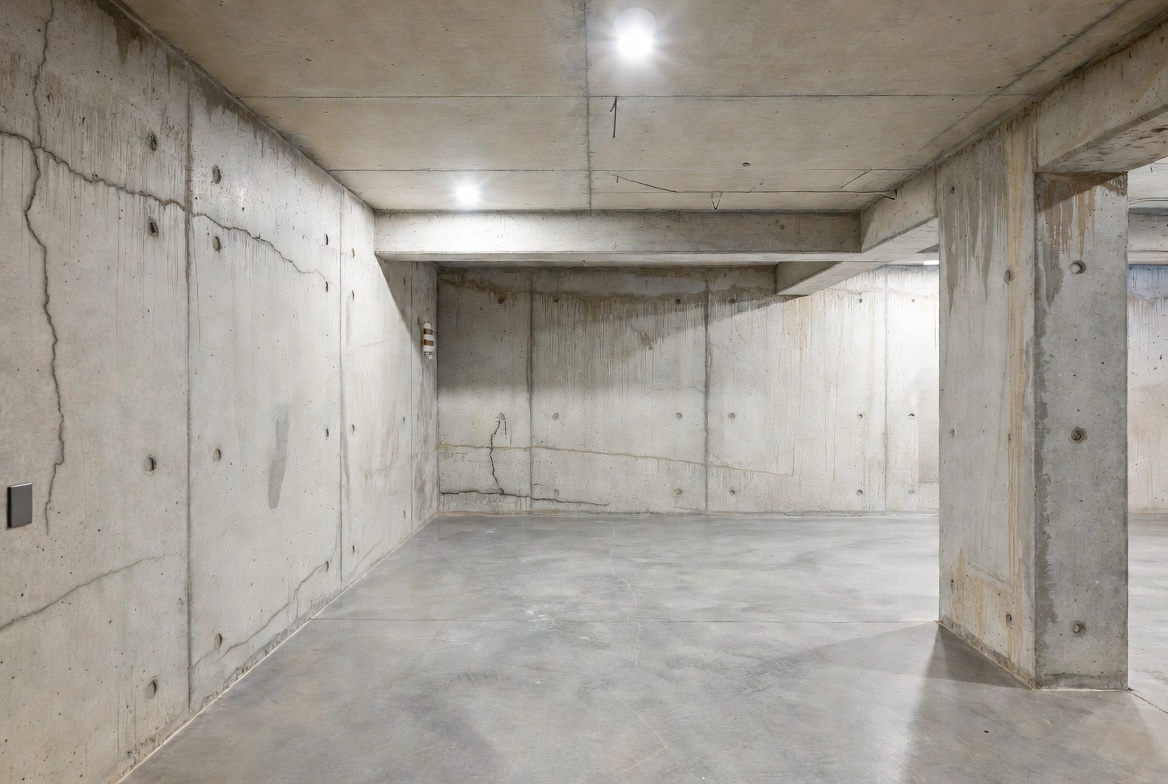
A crack in your foundation can spark anxiety — and for good reason. Foundation problems can compromise the safety, value, and livability of your home. But the truth is, not all cracks are serious, and some are perfectly normal.

So how do you know when to worry — and when to just keep an eye on it?

Let’s break it down, from a structural engineer’s point of view.


1. Hairline Cracks: Often Normal, Especially in Newer Homes

  • What it looks like: Thin cracks, less than 1/16″ wide, usually vertical
  • Where it appears: In poured concrete walls, near windows or corners
  • What it means: Likely caused by concrete shrinkage during curing
  • Action: Monitor, take photos, and check for widening

2. Vertical Cracks: Usually Low Risk (But Not Always)

  • What it looks like: A straight up-and-down crack, often from top to bottom
  • What it means: May result from minor settlement
  • Exceptions: If it’s wide, shifting, or leaking water — it needs evaluation

3. Diagonal Cracks: Signs of Uneven Settlement

  • What it looks like: Cracks sloping at 30–45 degrees, often from corners of doors or windows
  • What it means: Differential settlement — parts of the foundation moving unevenly
  • Action: Should be inspected, especially if doors/windows stick or the crack widens

4. Horizontal Cracks: Take These Seriously

  • What it looks like: Long, horizontal line across a wall, especially in block foundations
  • What it means: Lateral pressure from soil or water buildup may be bowing the wall inward
  • Action: Call a structural engineer as soon as possible. These can lead to collapse if left untreated

5. Cracks with Water Leakage: Structural Plus Drainage Risk

  • What it looks like: Any crack where water seeps during or after rain
  • What it means: Water intrusion can cause mold, wood rot, and soil erosion under the footing
  • Action: Combine structural assessment with a drainage correction plan

How Wide Is Too Wide?

Crack WidthSignificanceAction
Less than 1/16 inch (hairline)Usually normalMonitor and document
1/16 to 1/4 inchMay indicate minor movementGet an inspection
Greater than 1/4 inchLikely structuralSchedule an engineer visit

What a Structural Engineer Looks For

At Bridgewater Engineers LLC, we evaluate:

  • Location, pattern, and size of cracks
  • Evidence of settlement or soil movement
  • Drainage conditions around the home
  • Framing response (e.g., sticking doors, sloped floors)
  • Signs of ongoing movement

We combine our visual inspection with structural expertise — so you’re not just guessing.


Serving Homeowners Across Fairfax, Arlington, Alexandria, and the DC Area

If you’re seeing cracks in your foundation — don’t panic, and don’t guess.

Book a Site Visit Today
Or call us directly: (703) 717-3303
bridgewaterengineers@gmail.com

Post Tags :
Share :

Subscribe to our newsletter