

By Bridgewater Engineers LLC – Serving Northern Virginia, DC, and Maryland
Don’t Ignore These Warning Signs in Your Home
Structural problems don’t always show up overnight. Often, the signs appear slowly — a crack here, a slope there — and homeowners shrug them off as “normal.” But certain symptoms can point to deeper structural issues that deserve a closer look.
At Bridgewater Engineers, we specialize in diagnosing structural damage in homes across Fairfax, Arlington, and the DC Metro Area. Here are seven of the most common signs that your house may need professional evaluation.
1. Cracks in Walls, Especially at Corners or Over Doors
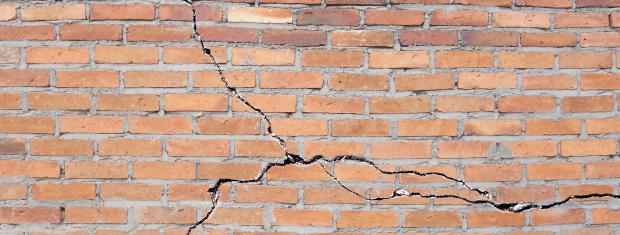
Not all wall cracks are serious, but ones that appear:
- at the corners of doors and windows
- that widen over time
- that are diagonal in nature
can suggest shifting or settlement of your home’s foundation or framing.
2. Uneven or Sloping Floors
Do you feel like your floors are slightly tilted? Put a ball on the floor — if it rolls on its own, the slope could indicate:
- settling of structural supports
- failing floor joists
- water damage under the subfloor
This often points to problems in the foundation, crawlspace, or framing system.
3. Doors and Windows That Stick or Don’t Close Properly
When openings no longer fit squarely in their frames, it’s often a result of structural movement.
Look out for:
- Doors that swing open or shut by themselves
- Windows that are hard to open
- Gaps forming around trim
These could be signs of shifting load paths or uneven settling.
4. Cracks in the Foundation or Basement Walls
Hairline cracks are common, but wide, stair-step, or horizontal cracks should not be ignored.
Foundation movement can lead to:
- bowing walls
- water intrusion
- long-term structural instability
5. Gaps Between Walls, Ceilings, or Floors
Have you noticed:
- A gap between your baseboard and floor?
- Ceiling separating from crown molding?
- Daylight shining through wall corners?
These separations can signal framing movement or weakening connections over time.
6. Sagging Rooflines or Ceilings
Stand at the curb and look at the ridge of your roof. Is it straight?
A sagging or dipping roofline may be caused by:
- undersized or over-spanned rafters
- failure of a central beam or load-bearing wall
- water-damaged framing
Interior sagging ceilings could be early signs of roof or attic structure problems.
7. Bouncy or Soft Floors
If walking across your floor feels more like a trampoline than a solid surface, your joists may be:
- over-spanned
- water-damaged
- disconnected from supports
This can happen in basements, crawlspaces, or even upper floors — and should be assessed before it worsens.
When to Call a Structural Engineer
If you’ve noticed one or more of the signs above, it doesn’t always mean your home is in danger — but it does mean you should get a professional opinion.
At Bridgewater Engineers LLC, we perform:
- On-site inspections of visible structural components
- Foundation assessments
- Framing evaluations
- Engineering reports with recommendations
- Permit-ready plans if repairs are needed
We provide practical, honest insights — not scare tactics.
Serving Homeowners and Buyers Across Northern Virginia
Whether you’re remodeling, buying a home, or just concerned about a recent crack, we’re here to help.
Book a Site Visit Today
Or call us directly: (703) 717-3303
bridgewaterengineers@gmail.com